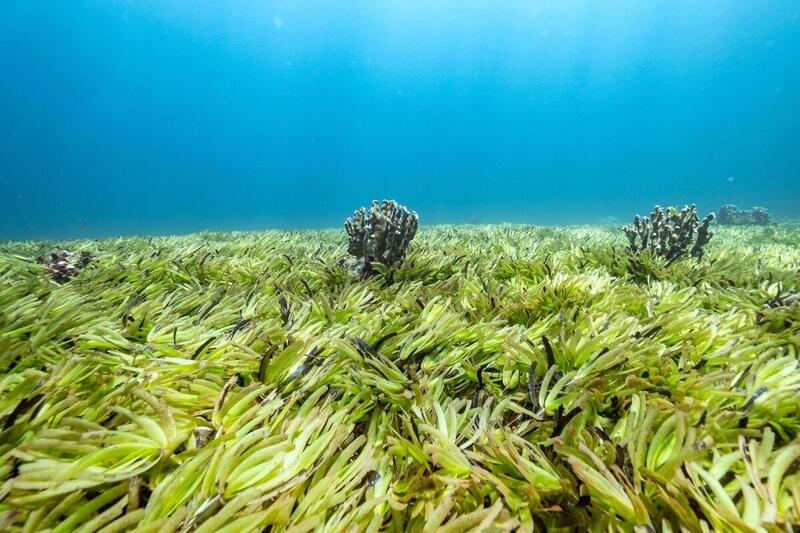
Stanford researchers and communities create first of its kind marine protected area
Community rights and resettlement and marine protection are not only not contradictory- they are intrinsically intertwined.
With the recognition of the importance of community land rights and the parallel viewing of human rights and nature protection, a new Stanford study aided the establishment of one of the world’s largest marine protected areas. The novelty? The resettlement of the previously removed Chagos island community is a pillar of this process.
The government of Mauritius announced its commitment to ban commercial fishing across an area larger than France, given that a sovereignty dispute is settled. Multiple stakeholder and stanford research team drew a road map that places traditional practices and fishing for local sustenance at the center of this effort, marrying regional cultural heritage, ocean protection and human rights.
For small island nations – who are notoriously underrepresented in global climate forums despite being some of the most affected by climate change- societies the story of protecting their natural resources and their communities is one that is tied with colonisation and independence. Despite gaining their independence from the UK in 1968, Britain continued to claim sovereignty over the archipelago and uprooted the local community, depriving Mauritians of their fishing rights, often with the pretense of conservation.
But with the involvement of multiple stakeholders and the assistance of Stanford experts the conservation of the Chagos is now going back to the hands of the local community.
The Chagos Archipelago Marine Protected Area will be established through the integration of culture and marine protection, while appropriate zoning will allow for community resettlement, as well as sustainable, traditional, ceremonial and subsistence fishing.
As postdoctoral researcher J. Naggea states:
“Facilitating a space wherein communities can shape policies and decisions about their land, ocean, values, practices, and livelihood should be the norm. We are able to witness a powerful example of that through this work on the Chagos marine protected area.”