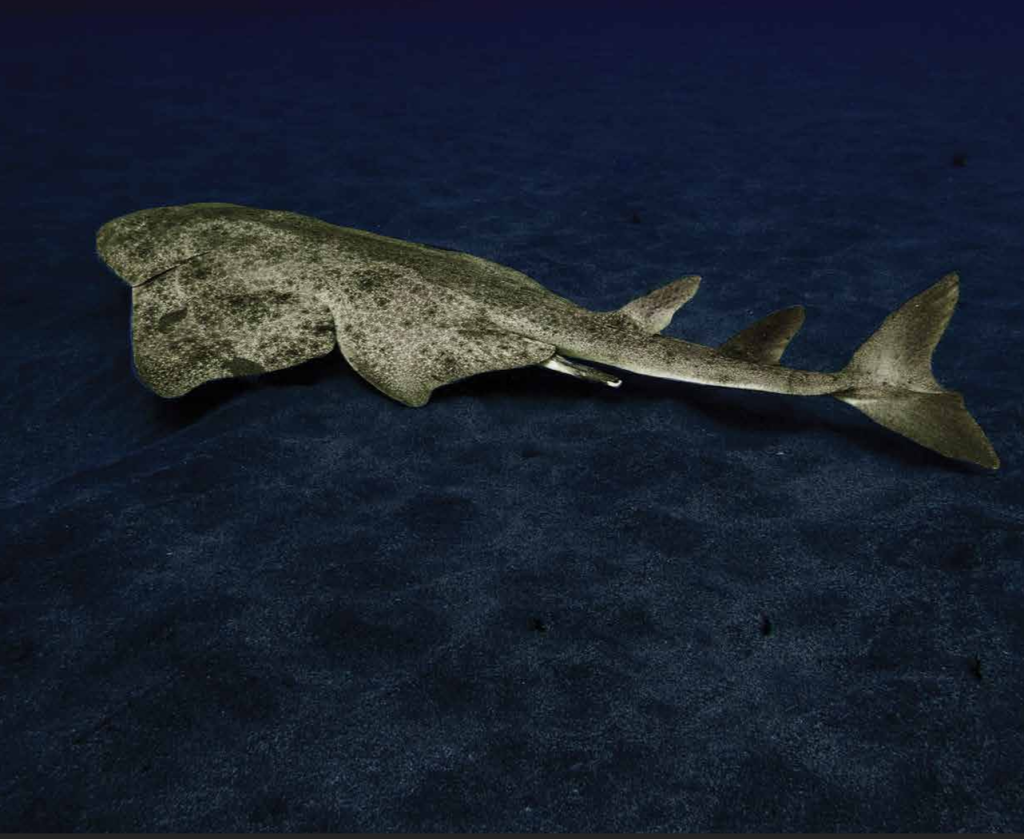
The Mediterranean Sea is home to 7% of the world’s biodiversity of Cartilaginous fish, including angel sharks.

The Mediterranean Sea is home to 7% of the world’s biodiversity of Cartilaginous fish, including angel sharks.
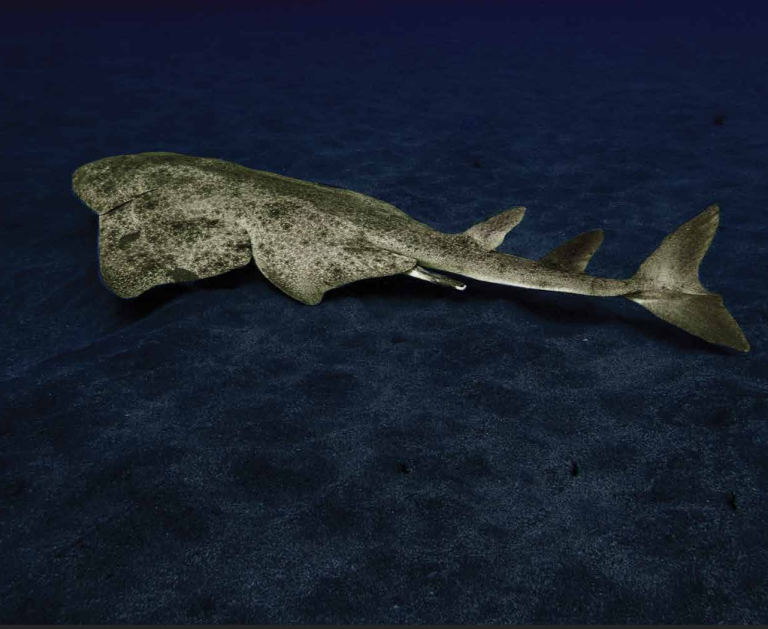
The Mediterranean Sea is home to 7% of the world’s biodiversity of Cartilaginous fish, including angel sharks.
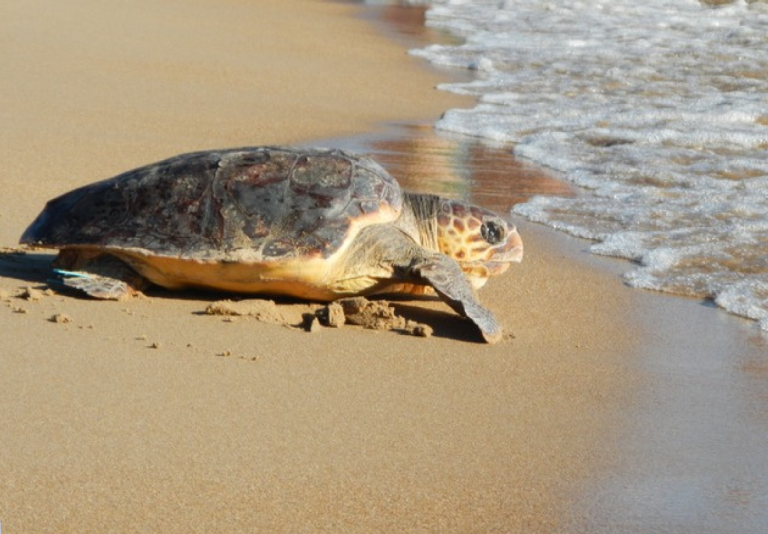
ARCHELON’s 2025 program for recording and protecting nests and hatchlings in Zakynthos was successfully carried out by 100 volunteers/researchers during the period May to October.
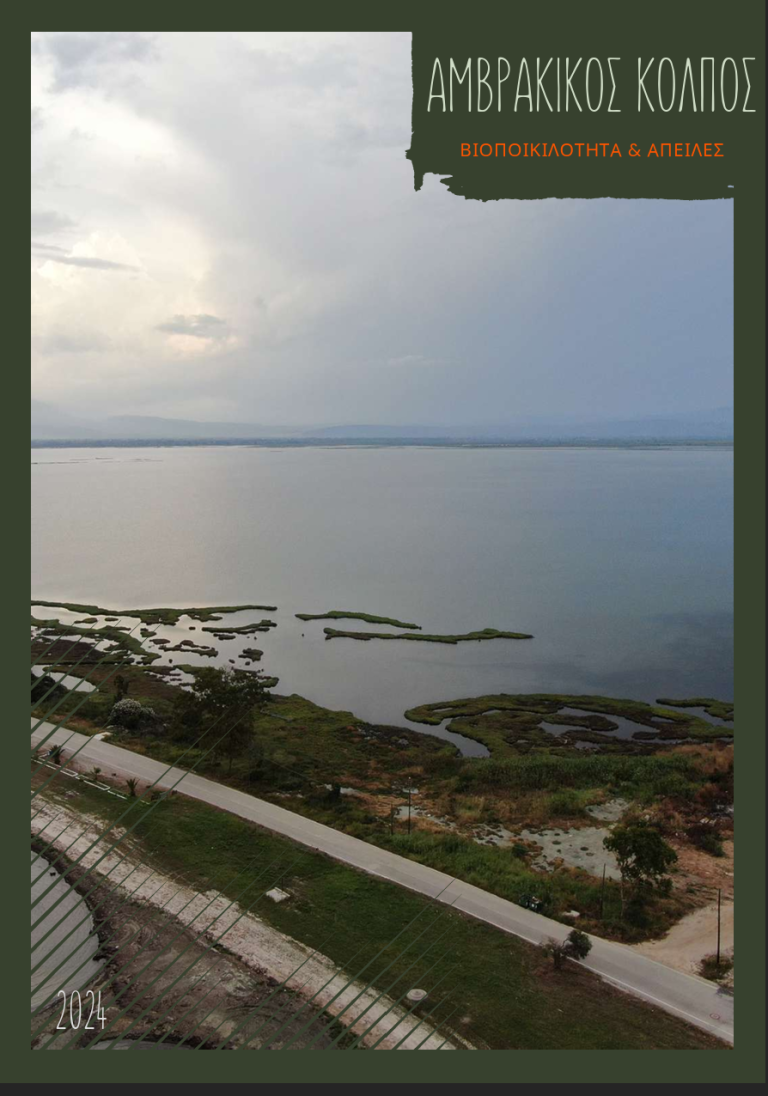
The Amvrakikos Gulf is one of the most important ecosystems in Greece, with particular ecological value both nationally and internationally.
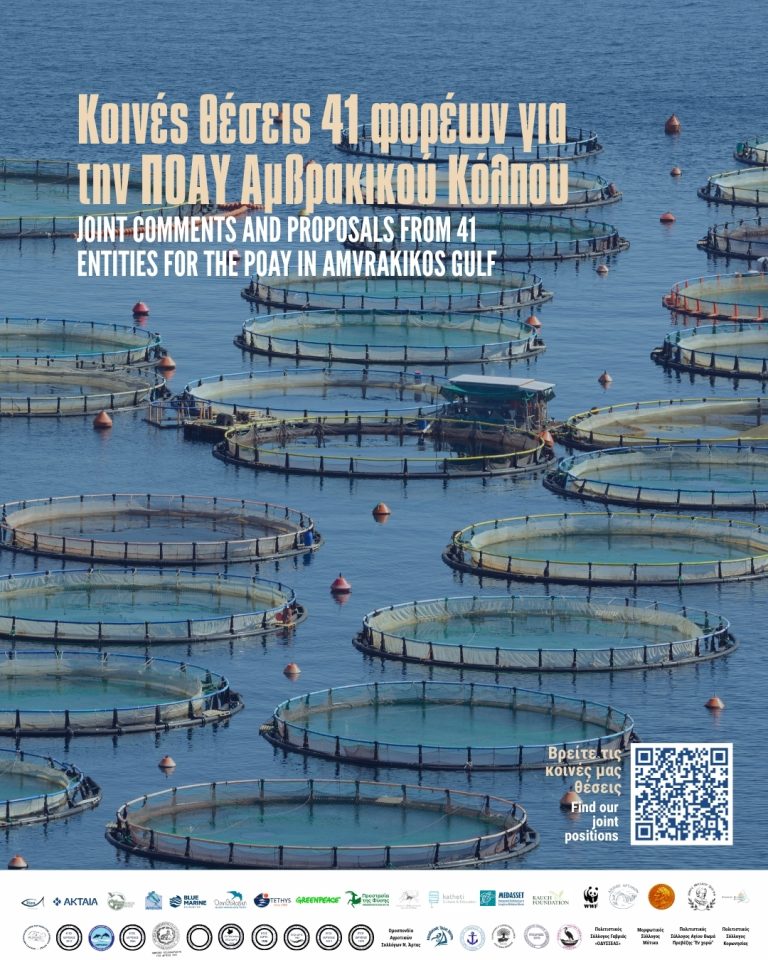
iSea joined forces with 40 other organizations to submit joint comments to the public consultation on the Strategic Environmental Impact Assessment for the designation and delimitation of the Area of Organized Development of Aquaculture Activities in the Amvrakikos Gulf.
This report aims to contribute to strengthening the implementation of protective measures in Marine Protected Areas with specific proposals based on good practices from other countries and international
literature.
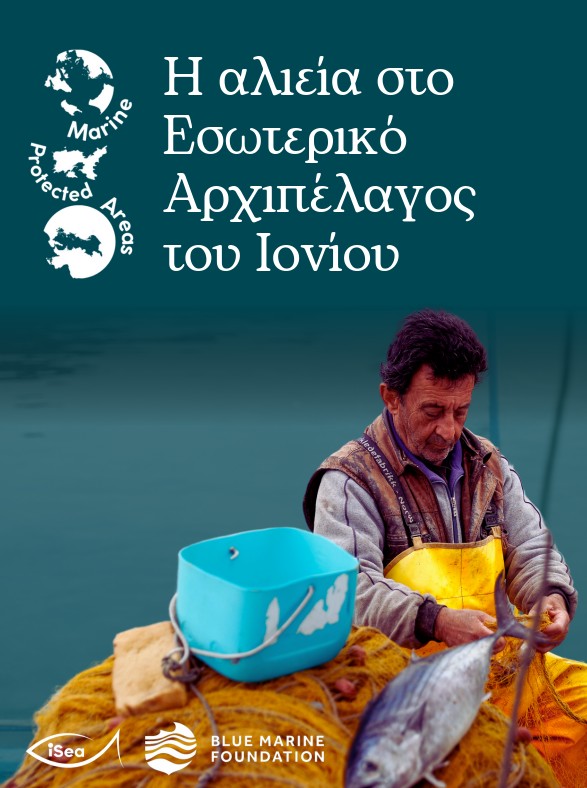
In Greece, small-scale coastal fishing plays an important socioeconomic role for local communities. This research highlights the potential to increase our knowledge of professional coastal fishing in the Inner Ionian Archipelago and can be used as a basis for future research efforts and management proposals.

Remember last May when we went to Skyros, Kythira, and Fournoi in Ikaria to put satellite transmitters on Aegean seagulls with the Hellenic Ornithological Society as part of the LIFE MareNatura Program? The Greek seas hide countless secrets and have many surprises in store for us.

Information leaflet from the Hellenic Ornithological Society on the importance of uninhabited islets for wildlife and what we need to be careful about so as not to harm the precious nature they host.
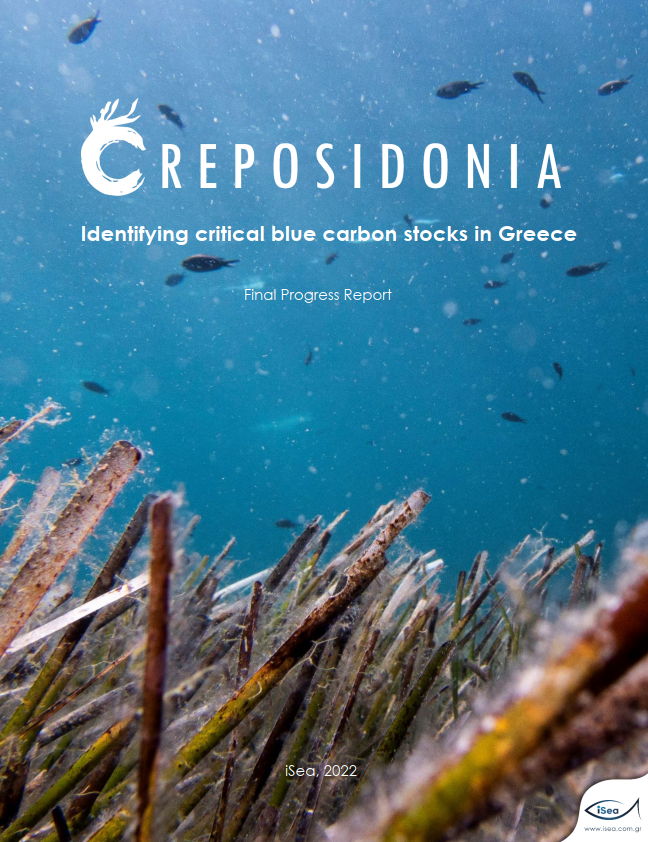
iSea aims to contribute to the management and protection of the P. oceanica seabeds in Greece, as it is one of the most important coastal habitats in the Mediterranean, providing nursery and hunting grounds for many species, among other services. To achieve this, the project has four main thematic units of activities:
(i) increase the scientific knowledge about the distribution and area coverage of P. oceanica meadows in the Greek Seas
(ii) conduct biodiversity surveys and health assessments for the meadows (iii) estimate the mapped meadows’ Blue Carbon potential to propose science based management measures, and finally,
(iv) educate and sensitise key stakeholders to propose target management actions for these habitats, highlight the important ecosystem services offered by the meadows.
In this context, iSea has identified three main regions of importance for P. oceanica habitat:
1. Formicula island (Inner Ionian Archipelago);
2. Lemnos Island and
3. Nisyros, Gyali and surrounding islands.
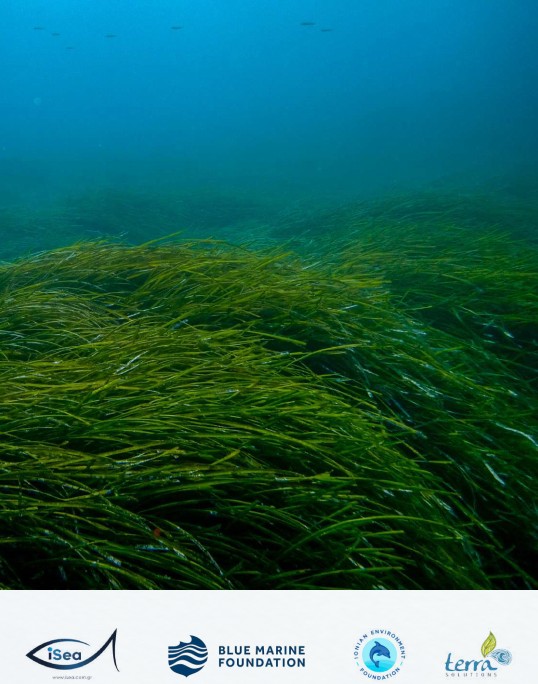
October 2025 For ages, the Mediterranean and the Ionian Sea have been connected through an amazing marine ecosystem in need of preservation: The Posidonia oceanica
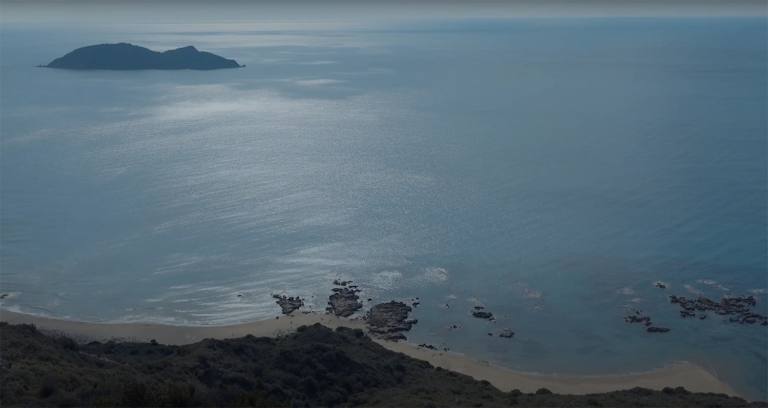
The oceans and seas are among the most important common goods of our planet! It is the “home” to hundreds of thousands of species and contributes to mitigating the impacts of the climate crisis.
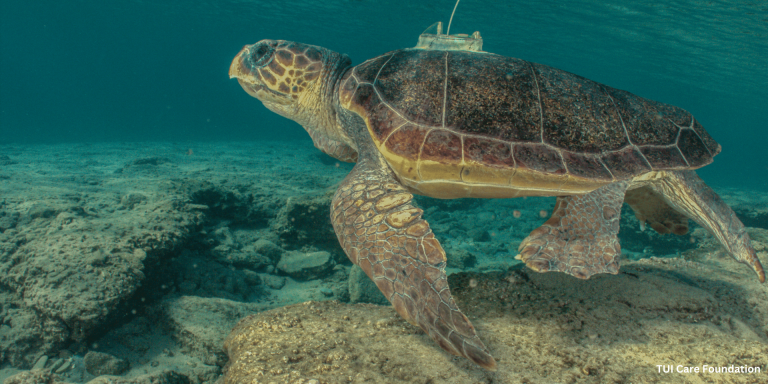
From time to time, new technologies emerge that can play an important role in the study and protection of nature and endangered species. One of these is telemetry, i.e. the automatic measurement and wireless transmission of data from remote sources.
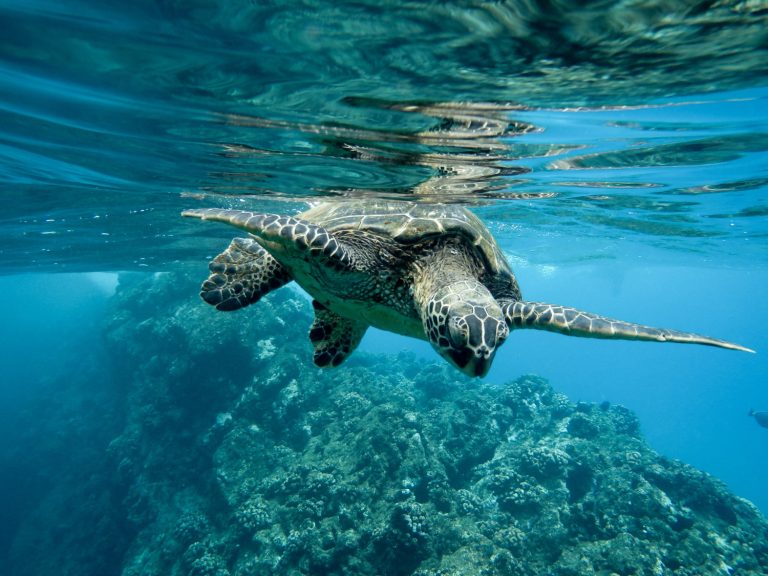
Recognising the critical need to protect areas of high ecological value in order to effectively tackle the interlinked biodiversity and climate crises, the European Biodiversity Strategy sets a target to “strictly protect at least a third of the EU’s protected areas, including all remaining EU primary and old-growth forests” by 2030.
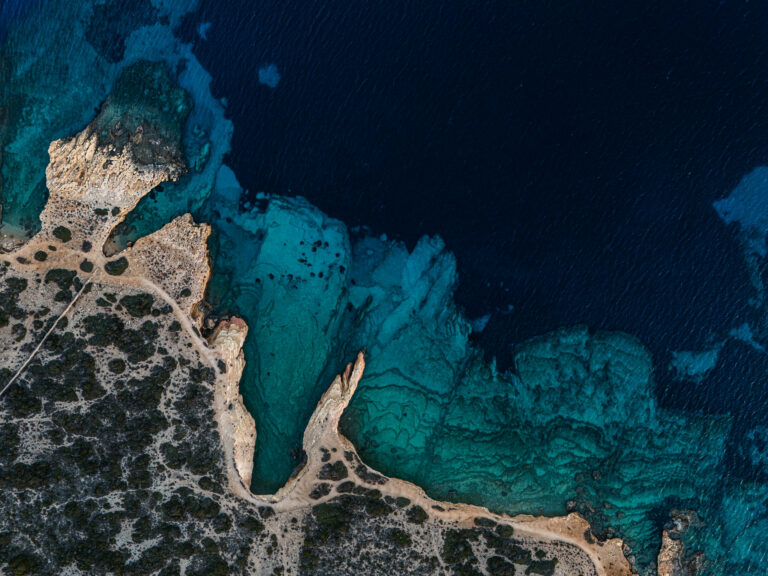
The network of MPAs was significantly expanded in December 2017 with the inclusion of new marine Natura 2000 sites. MPAs currently occupy an area of 22,796 km2 and cover 18.3% of Greek territorial waters. Most recently, key commitments related to the 30×30 and the MPAs were announced by the Greek Government at the 9th Our Ocean Conference hosted in Athens in April 2024. These commitments are deemed positive, but effective management and tangible action are the key challenges.