
March 2026

10+1 reasons why there should be no offshore drilling in our seas, Mr. Papastavrou

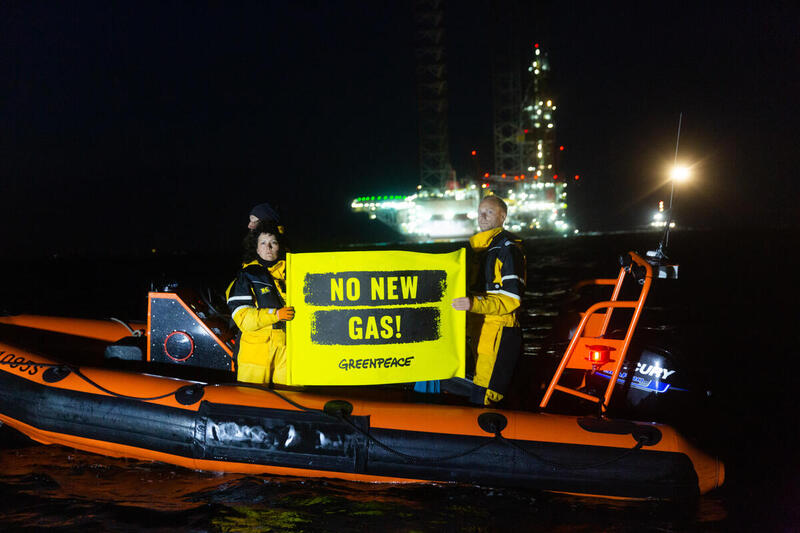
Following the Greek Parliament’s approval of the four contracts with Chevron and HelleniQ Energy on March 12, Mr. Papastavrou presented 10+1 reasons why he believes Greek citizens should welcome these developments. We respond with 10+1 reasons why hydrocarbon extraction is politically, socially, and environmentally detrimental to the country, and we call for the cancellation of these plans at the earliest opportunity.

  1. The promotion of plans for gas extraction in our country undermines the efforts made so far and the national and European commitments to the evergy transition themselves. Promoting gas extraction is inconsistent with the government’s commitments to climate neutrality by 2050 and the reduction of greenhouse gas emissions in general.
  2. In a country already severely affected by the impacts of climate change (prolonged heatwaves, extreme weather events, energy poverty, impacts on agriculture, water scarcity, etc.), addressing the climate crisis should be a priority.
  1. The granting of 20% of the maritime territory to oil companies, adjacent to areas of special ecological value and marine protected areas, contradicts the government’s “priorities” to protect 30% of the sea by the end of 2026. The Ministry of the Environment’s priority should be the protection of the sea, based on international, European, and national commitments to achieve the ‘30×30’ target through the effective protection of 30% of waters by 2030.
  2. Along with drilling, the argument of natural gas as a “transitional fuel” and a means of energy security is being promoted. However, the signing of contracts granting companies the right to exploit our seas for 25 years and the development of related infrastructure will trap us in a dependency on foreign companies and states, distancing us from the necessary energy autonomy.
  3. Funds and financing will be directed toward natural gas infrastructure and meeting the needs of the extraction industry, rather than toward increasing the penetration of renewable energy sources in electricity generation, energy storage, energy conservation, and grid improvements. Renewables are now the cheapest options for energy production and the only ones capable of providing abundant, safe, and affordable energy for our country, while also ensuring energy independence.
  4. Investments in drilling projects entail a return to an energy policy characterized by a high degree of dependence on international markets and events of all kinds. This policy makes the Greek economy vulnerable to crises and the decisions of third parties, as has once again become clear from the ongoing conflicts in the Middle East.
  5. Misleading expectations of energy security are being created, since any gas produced will belong to the Chevron-HelleniQ Energy consortium and will be directed to the international or domestic market, as it suits the fossil fuel companies. Our country will purchase the gas from the consortium. It will not be given to us for free.
  6. The Hellenic Trench is an environmentally critical area, serving as a habitat for iconic species (dolphins, porpoises, and other cetaceans) and, more broadly, for Mediterranean biodiversity, while its protection is a key argument for the announcement of the new ‘Ionian Marine Park’. Recognizing the importance of and protecting the Hellenic Trench is incompatible with granting it for hydrocarbon exploration.
  7. The establishment of heavy industry for the exploration, extraction, and transport of fossil fuels will pose a multifaceted threat to the ecosystem. Noise pollution, increased traffic, chemical pollution and waste, and the risk of accidents will significantly threaten the health of marine ecosystems. The Prime Minister’s commitments to protect marine fauna from passing ships and to regulate maritime traffic, as announced at the Oceans Conference (Athens 2024), are in direct conflict with these plans.
  8. The above environmental impacts will also affect the coastal areas of southern Crete and the western Peloponnese, impacting the tourism industry on land and at sea, as well as fisheries, resulting in a loss of income. Seismic surveys, which have been documented to threaten marine fauna while posing risks to local communities, are not required to be accompanied by a relevant environmental impact assessment.

+1: According to statements by the minister (and the Prime Minister), these contracts will help secure our country’s energy future and establish it as an energy hub. A look at our neighborhood and the rest of the world shows that fossil fuel facilities are a source of tension and armed conflict. At a time when we need to break free from (foreign and domestic) fossil fuels, committing to them for the coming decades constitutes an unjustifiable step backward.

Mr. Papastavrou, what we must leave as a legacy for future generations, is a country with clean, healthy seas capable of regulating the climate and preserving Mediterranean biodiversity. At the same time, we must ensure the country’s energy sufficiency and energy security. This is the legacy we want to leave behind for maximum resilience, security, and prosperity.

Privacy Overview

This website uses cookies so that we can provide you with the best user experience possible. Cookie information is stored in your browser and performs functions such as recognising you when you return to our website and helping our team to understand which sections of the website you find most interesting and useful.