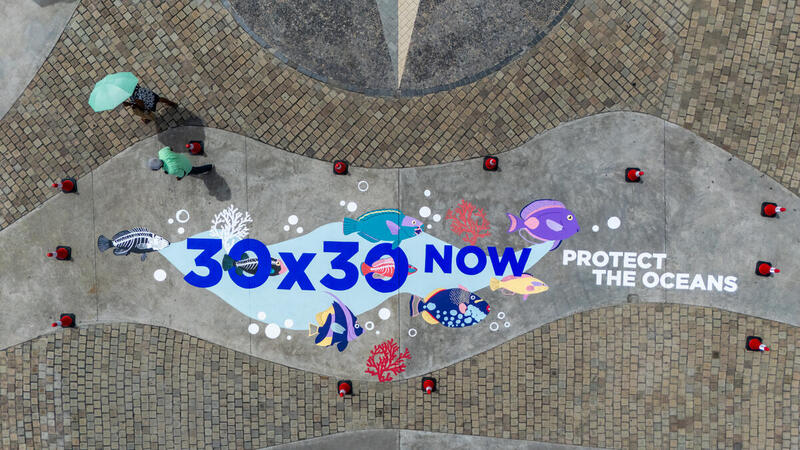
With the passing of 120 days since its ratification, the Global Ocean Treaty officially came into force on January 17, 2026, allowing us to celebrate the results of two decades of relentless campaigning to protect the sea, home to millions of species and vital ecosystems.
Although national and European frameworks for marine protection already exist, this Treaty is very important. With only 0.9% of the world’s open ocean subject to full or high levels of protection, the Treaty is vital for extending protection, creating marine refuges – which help mitigate the climate crisis – and ensuring food security for the billions of people who depend on marine resources.
Although targets such as 30X30 are in place for national waters, the Treaty paves the way for the effective protection of transnational waters, a necessary legal step, as nature, wildlife, and ecosystems do not obey boundaries such as borders and require more holistic and expanded approaches.
Governments that have ratified the Treaty, such as Greece, are now legally obliged to take measures to protect it.
This legal obligation should lead to meaningful attunement and serious steps towards protecting the sea.
Government commitment to substantive measures are a one-way street. Our message to governments is clear:
As with any environmental policy, this Treaty must be the beginning, not the end, of a series of ongoing commitments and tangible policies for the protection of the sea. In a socio-political context of undermining international laws and agreements, we demand that the Treaty not be made symbolic victory, but a real impetus for action.