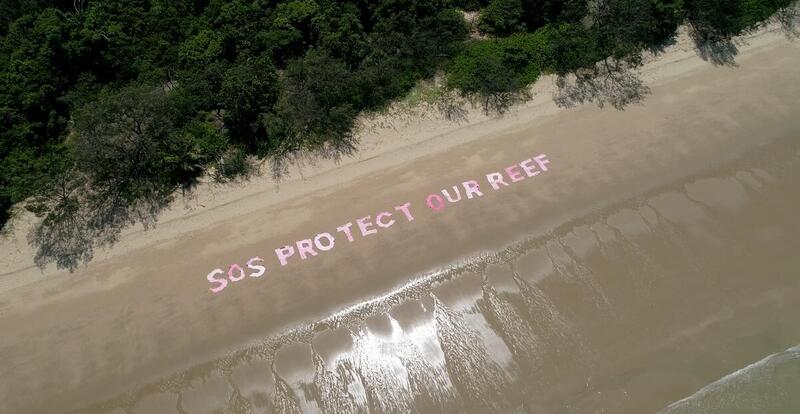
Has our planet hit its first climate tipping point?
A new report by the University of Exeter , bringing together more than 60 scientists and decades of critical natural systems research (like coral reefs, ice sheets, rainfortests) confirms that a dangerous climate tipping point has been reached.
Coral reefs are currently dying faster than they can recover at a gobal scale, making the effects of their distraction extremely hard to mitigate.
As with all nature ecosystems, coral reefs – and consequently their distruction- is not a standalone issue. Coral reefs are biodiversity hotspots supporting close to 25% of the world’s biodiversity, meaning their distruction also negatively affects fisheries and coastal survival. When coral reefs collapse an entire architecture collapses with them: reef fish lose their shelter, fisheries lose their nurseries, the marine food chain is challenged, communities lose both their income as well as protection from the natural elements like storms
“Intercconnected tippin” refers to that exact domino, where one major change in the ecosystem and climate creates a ripple effect of change.
According to the authorσ co-signing the Exeter report, coral reefs already reached this tipping point at 1.2 degrees of global warming, and we are currently at a 1.4: an anything but small difference for fragile and crucial ecosystems. While scientists notice regional variations that might be cause for hope, the global image shows an evidenced decline.
“We tend to imagine tipping points as single moments, dramatic and visible. In reality, they unfold quietly until it is too late to reverse them. A coral reef does not explode when it dies. It fades… It is the gradualness that makes it so dangerous. You can convince yourself nothing is happening until everything has changed.”
However, while natural systems require up to centuries to change, human behavior, policies and practice can pivot within a few years where there is knowledge and will. The data paints a clear image on the earth’s limited resources and capacities, and urges us to focus on both global policies and local implementation. Now, and before the next irreversibly tipping point.