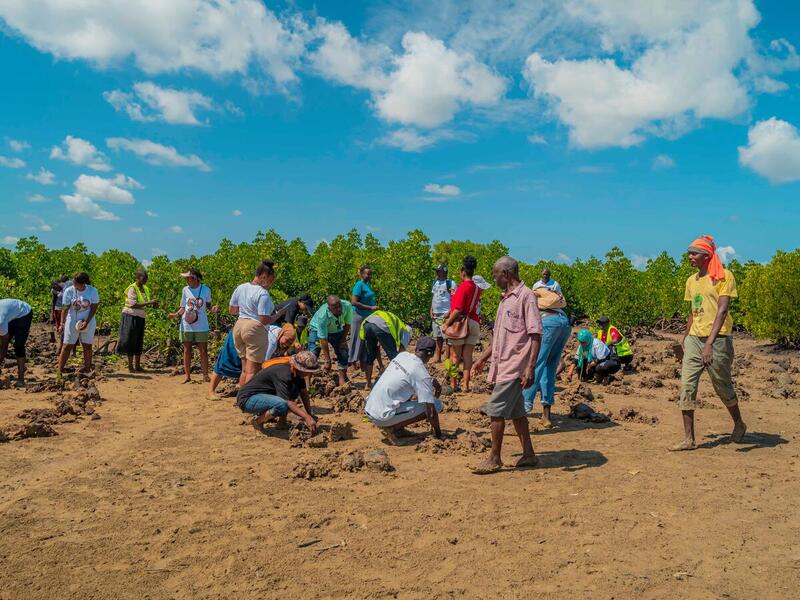
The Convention on Biological Diversity acknowledges the importance of indigenous peple and local communities in protecting marine and coastal ecosystems– it recognises the central role of people dependent on the areas needing conserving. Local communities, including small-scale fishers, are the ones working to protect their resources, manage protected areas, monitor and gather information on fishstocks, and restore ecosystems. Or that should be the case. Despite communities’ recognised right to access, use and manage coastal resources, their right to the land is often compromised, which means that often communities are being pushed out and evicted from other historic lands by governments or private companies.
“Ocean Grabbing” refers to this exact reality, where coastal communities are driven away from areas that they have historically used for fishing and survival. By definition, that means they are also pushed away from the ocean habitats whose conserving they could be supporting. This is supported by a lack of recognition of customary community tenure- through this legal overlooking people and land rights are “untied” making people less invested in protecting the natural environment around them.
Properly protecting the ocean, and actually achieving 30X30 intrinsically requires advocating for community rights and community-based management.
As founder of Blue Venture Conservation NGO states:
«No conservation or development initiative is legitimate without meaningful stakeholder consultation and the free, prior and informed consent of affected communities».