Sea turtle habitats in Cyprus, Greece & Turkey under threat
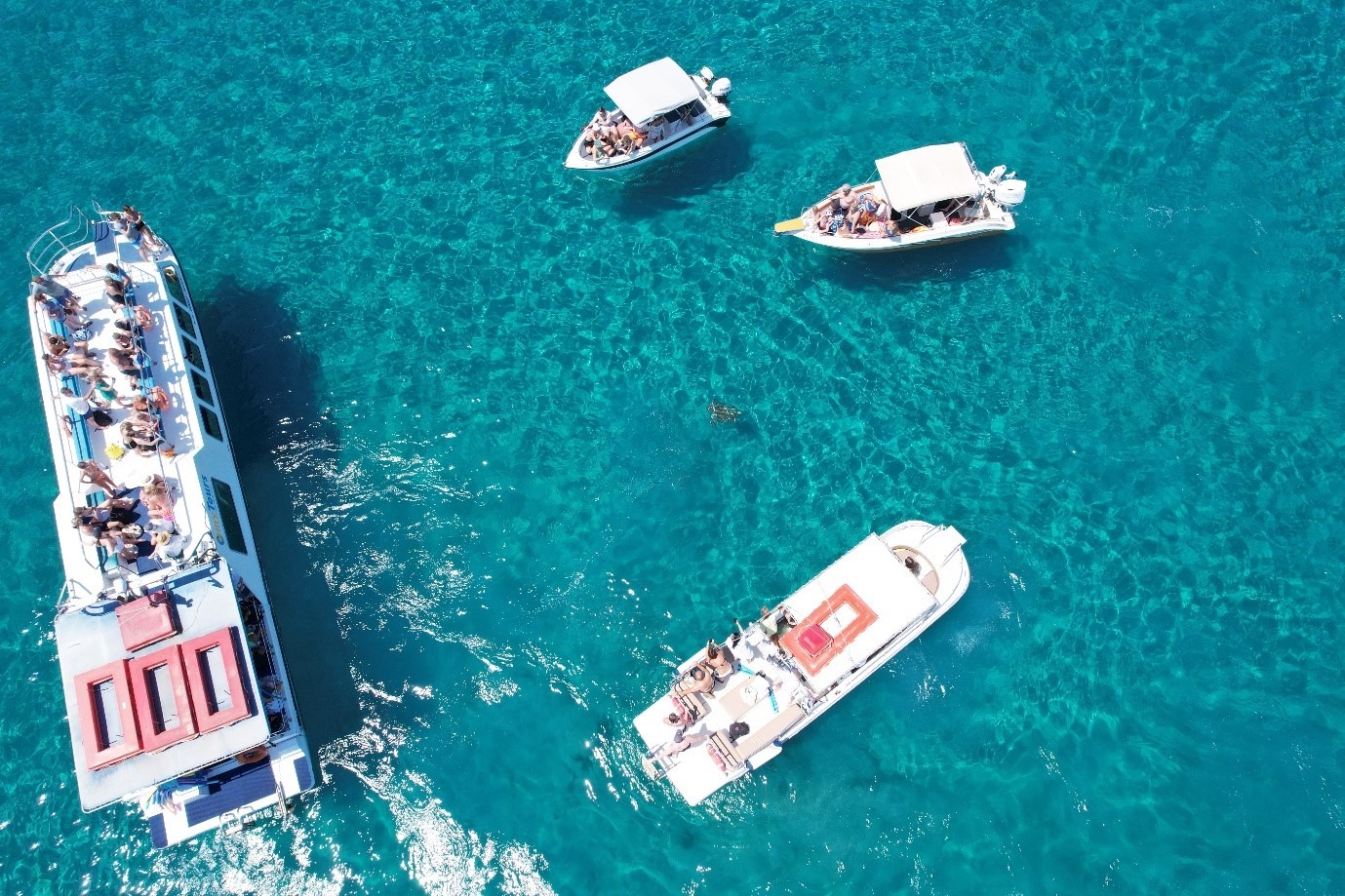
With an average of 1.200 nests each season, Laganas bay hosts one of the most important breeding areas for the Caretta caretta in the Mediterranean. The sea turtles and their habitats on Zakynthos island, though, remain under immense stress due to the intense touristic activity on the island, receiving more than 850.000 visitors each summer. The case was first brought to the Bern Convention by MEDASSET in 1984, and as a result, the Standing Committee issued Recommendation No.9 in 1987, to ensure the site’s protection. Despite the site’s designation as a National Marine Park under a Presidential Decree in 1999, the Greek government has failed to provide adequate protection and the “case file” was re-opened in 2020 by the Standing Committee.
Kyparissia Bay hosts the largest reproductive loggerhead turtle population across the Mediterranean. Although the nesting beaches belong to an EU NATURA 2000 site, the Greek government has failed to introduce and enforce the necessary conservation and management measures, ten years after the Bern Convention Recommendation (Dec. 2014) and nine years after the condemning Judgment of the European Court of Justice (Nov. 2016). Enforcement of the Presidential Decree adopted in October 2018, ensuring legal protection to the site, is insufficient and we strongly reiterated the urgent need for the adoption and implementation of a Management Plan, as the Decree does not address several major issues. We express our great concerns regarding the process of the adoption of the Management Plan, as there is no foreseen timeframe for its preparation and implementation. Threats recorded included the continued construction of illegal buildings along the protected coastline, continued planting and no removal of previously planted trees and alien species on the nesting beaches, destruction of dunes, unimpeded vehicular access to the nesting beaches and illegal road network across the protected sand dunes, lack of beach furniture management, light pollution and fishing activities.
Moreover, contracts signed by the Greek state, for the exploration and potential extraction of hydrocarbons in the adjacent marine protected areas constitutes a significant additional threat.
MEDASSET has been conducting assessments and campaigning to improve the protection of loggerhead nesting beaches in Patara and Fethiye since 1988. Both sites are “Specially Protected Areas” (SPAs). Our 2025 assessments once again prove that, there is a distinct difference in the level of protection and implementation of of the Recommendations adopted by the Bern Convention in 2015 for Fethiye (No. 183) and Patara (No. 182) .
Anamur’s 12,5 km beach is the 2nd most important nesting beach in Turkey and the 4th most important in the Mediterranean for the loggerhead turtles. The SPA is a nesting site for several other sea turtle species as well, including the Green sea turtles (Chelonia mydas) and the critically endangered Nile soft-shelled turtles (Trionyx triunguis). However due to the destructive development, a case file was opened during the 42nd Standing Committee Meeting (Dec. 2022). During our July 2025 survey, , it was documented that there has been no progress in the implementation of Recommendation No. 226 (224) and the destructive development continues.
Green turtles Chelonia mydas are globally endangered and in the Mediterranean researchers estimate that only 784 green adult female turtles nest in the region, laying about 1.164-2.674 nests per year. The beach of Kazanli in southern Turkey is one of the most important green turtle nesting areas in the Mediterranean. Part of Kazanli nesting beach is nationally designated as a 1st Degree Natural Protected Area. MEDASSET has been monitoring Kazanli nesting beach and reporting on its conservation problems since 1999. A case file was opened in 2000, followed by Recommendation No. 95 (2002) “on the conservation of marine turtles in Kazanlı beach (Turkey)”. Main threats identified are erosion, wastewater and toxic waste pollution, litter, sand extraction, light pollution, greenhouses on the rim of the nesting beach, coastal fishing during the nesting season, disturbance to the species during nesting and lack of public awareness.
Conservation prblems at nesting sites in Akamas and Limni were brought to the attention of the Bern Convention in 1996 by MEDASSET on behalf of NGO Terra Cypria and a case file has remained open since 1997, making it one of the longest-standing cases of the Bern Convention. Terra Cypria provided evidence that implementation of the Convention’s 2016 Recommendation is still outstanding, no legally binding management plans are yet in place and effective enforcement is needed. MEDASSET supported Terra Cypria’s calls for urgent action by authorities to ensure enforcement of management measures on all nesting beaches.